For thousands of people who rushed toward Ground Zero after September 11, 2001, the danger did not end when the Twin Towers collapsed. It remained suspended in the air, settled inside buildings and followed workers and residents for years.
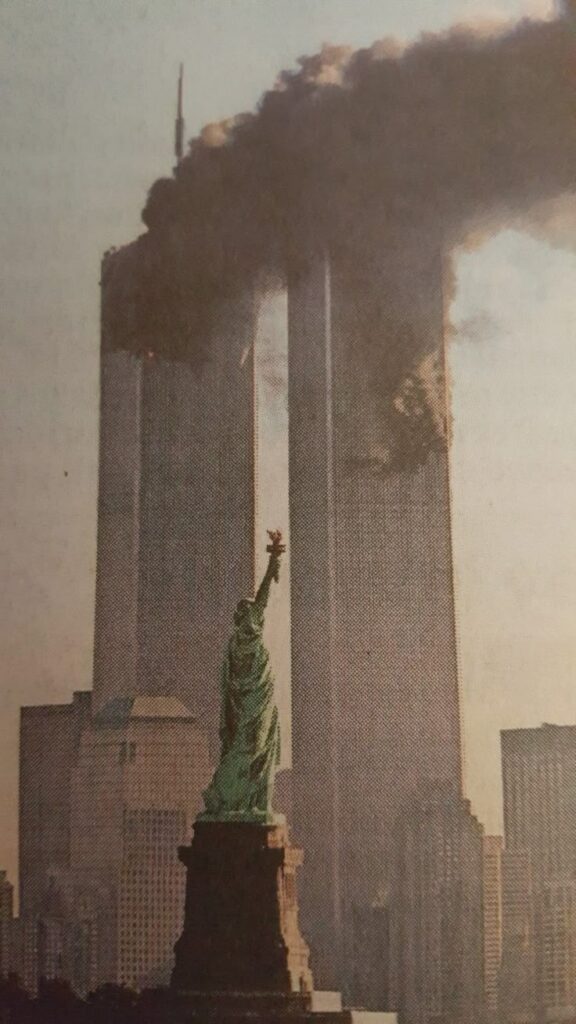
Now, 25 years after the attacks, the release of more than 170,000 pages of previously withheld New York City records is bringing renewed attention to what was known about the toxic environment surrounding the World Trade Center and how that information was communicated to the public.
The documents, released through an online public archive following legal action by 9/11 Health Watch, contain records concerning air quality, health risks and the city’s response following the attacks. Among the material is an internal document addressing potential liability associated with air-quality conditions.
The significance of the records goes beyond simply identifying chemicals in the dust. Much of the science was already understood. What makes the documents important is the potential insight they provide into what officials knew, when they knew it and how that information influenced decisions affecting workers, residents and volunteers.
A Toxic Cloud Unlike Ordinary Dust
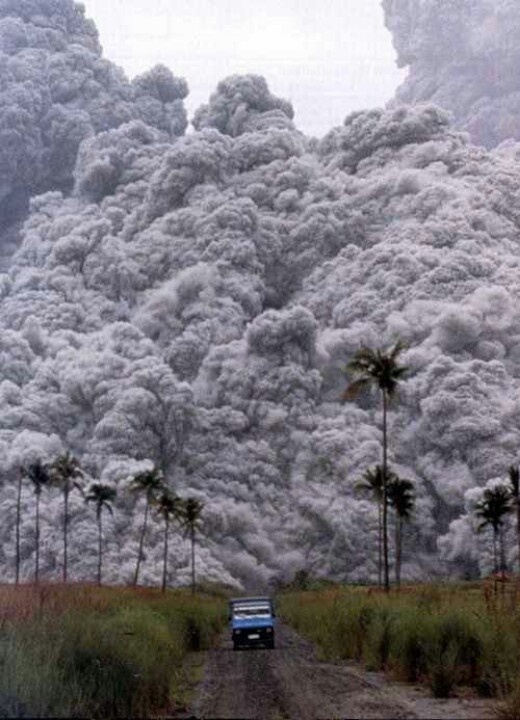
When the towers collapsed, enormous quantities of concrete, glass, metals, plastics, insulation and other building materials were pulverized into extremely fine particles. The resulting dust was highly alkaline and contained substances including lead, cadmium, asbestos and other potentially hazardous compounds.
The problem was not exposure to a single chemical. People encountered a complicated mixture of contaminants capable of entering the respiratory system and, in some cases, remaining in the environment long after the initial disaster.
The fires and cleanup operations also repeatedly disturbed settled material, potentially creating additional exposure months after the attacks.
For many people, the consequences emerged slowly. Respiratory illnesses appeared early, while some cancers and other serious conditions became apparent years or even decades later. The continuing health problems among responders, residents and workers demonstrate how difficult it can be to understand the full consequences of environmental exposure immediately after a catastrophe.
What the Documents Can Teach Us
Perhaps the most important lesson from these records is that uncertainty should never be confused with safety.
After a disaster, officials may not immediately know precisely which contaminants are present or how dangerous exposure will ultimately prove. But when uncertainty exists, protective measures should err on the side of caution.
Future disaster responses should therefore include rapid independent testing, transparent publication of environmental data, appropriate respiratory protection and long-term health monitoring for people entering contaminated areas.
The records also highlight the importance of preserving government documents. Information that remains inaccessible for decades cannot help the people who need it most. Researchers, doctors and affected communities need timely access to environmental measurements, internal assessments and decision-making records.
The 9/11 experience offers a broader warning for future earthquakes, wildfires, industrial accidents, building collapses and chemical disasters: the visible disaster may end long before the environmental hazard does.
The lesson is not simply to remember what happened in 2001. It is to make sure that when the next catastrophe occurs, protecting people means telling them what is known, acknowledging what is not known and taking precautions before the evidence becomes undeniable.
Related Posts