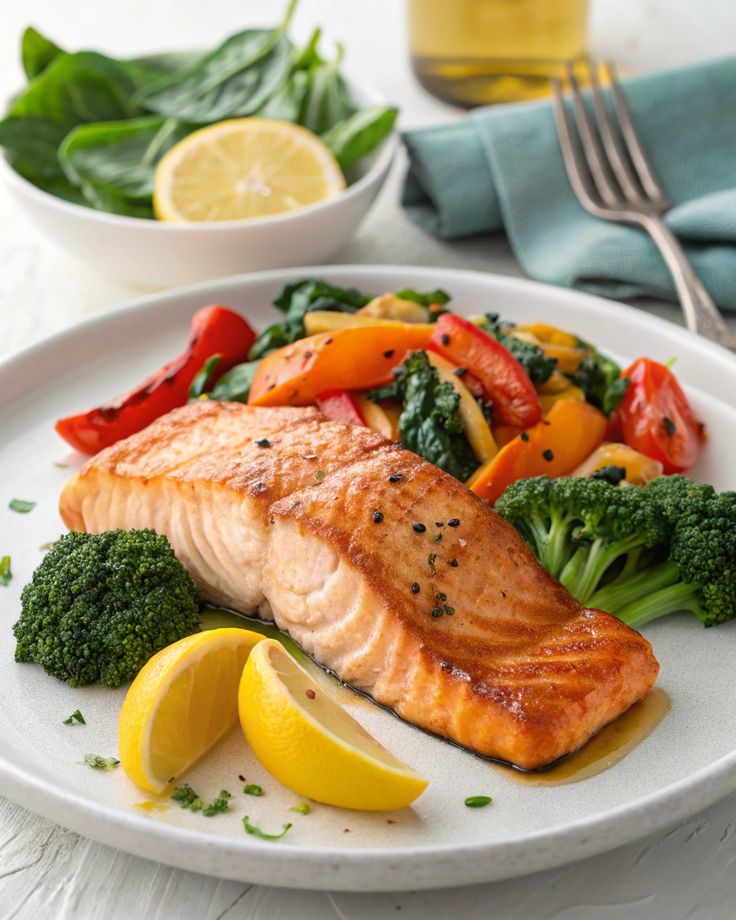
We often assume that choosing healthy ingredients is enough to guarantee a nutritious meal. But what happens in the kitchen can also influence the nutritional value of what ends up on your plate.
Cooking can make certain nutrients easier for the body to absorb, but excessive heat, prolonged cooking, large amounts of water, and unnecessary additions can work in the opposite direction. Here are five common cooking habits worth reconsidering if you want to get more nutrition from your meals.
1. Boiling Vegetables for Too Long
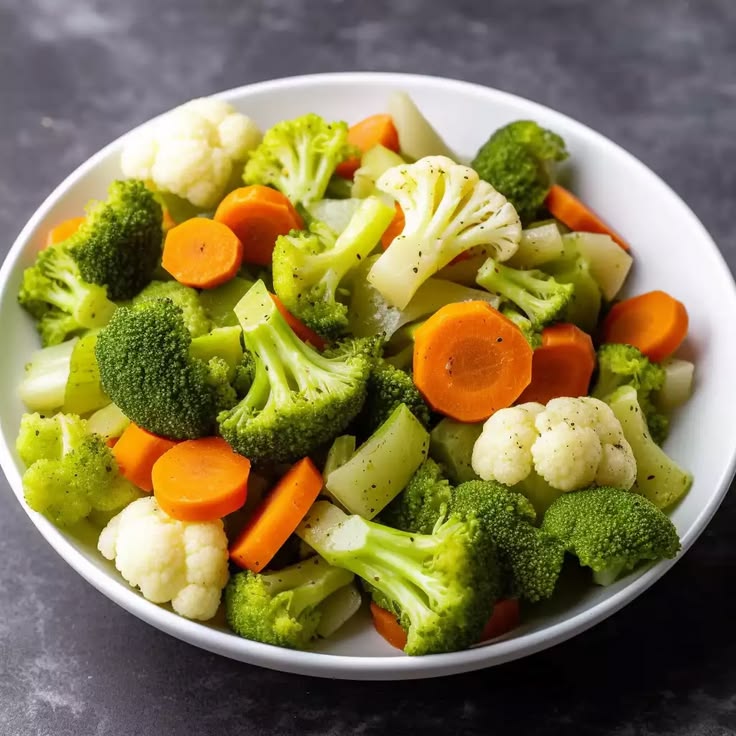
Boiling is convenient, but vegetables can lose some water-soluble nutrients, particularly vitamin C and certain B vitamins, when they are cooked for long periods in large amounts of water. Some of these nutrients can end up in the cooking liquid rather than remaining in the vegetables.
Try steaming, microwaving, roasting, or lightly sautéing vegetables instead. If you do boil them, keep the cooking time relatively short and consider using the leftover cooking water in soups or sauces.
Importantly, cooking isn’t inherently bad for vegetables. Heat can actually increase the availability of certain compounds, such as lycopene in tomatoes and beta-carotene in carrots.
2. Cutting Vegetables Too Early

Prepping vegetables hours before cooking may seem harmless, but cutting exposes more of the food’s surface to air, light, and heat. Over time, this can contribute to the degradation of some sensitive nutrients.
Whenever practical, wash and cut produce relatively close to when you plan to eat or cook it. For meal preparation, store cut vegetables properly in the refrigerator and avoid leaving them exposed on the countertop.
3. Using Excessive Heat
High temperatures can create delicious browning and crispiness, but cooking food aggressively isn’t always better. Prolonged exposure to very high heat can damage some heat-sensitive nutrients and, depending on the food and cooking method, contribute to the formation of undesirable compounds.
Instead of automatically turning the heat to maximum, use the lowest temperature that allows the food to cook properly. Gentle cooking methods such as steaming, simmering, and moderate roasting can preserve quality while still producing flavorful meals.
4. Turning Healthy Ingredients Into High-Calorie Meals
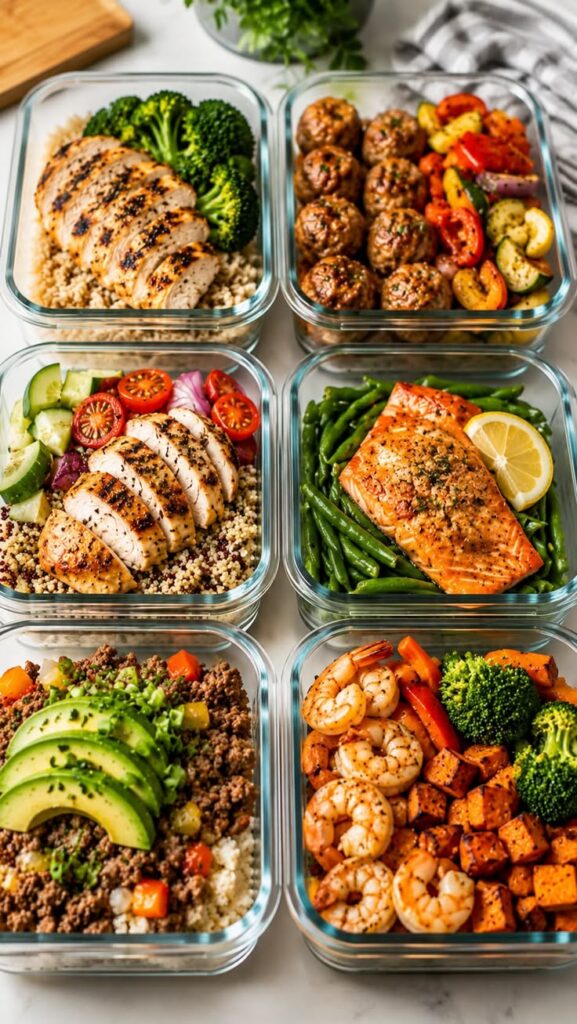
A nutritious ingredient can quickly become part of a less balanced meal when large amounts of butter, cream, cheese, sugar, or oil are added.
This doesn’t mean you need to eliminate fats. Healthy fats are important and can even help the body absorb fat-soluble vitamins such as A, D, E, and K. The key is quantity and quality.
Use flavorful ingredients such as extra-virgin olive oil, herbs, garlic, spices, citrus juice, and vinegar to build flavor without relying excessively on calorie-dense additions.
5. Automatically Adding Salt, Sugar, or Sauces
Packaged sauces, dressings, marinades, and seasoning mixes can contain surprisingly large amounts of sodium and added sugar. Adding them automatically can turn an otherwise nutritious homemade meal into a much less balanced one.
Taste your food before seasoning it. Experiment with herbs, spices, chili, lemon, vinegar, garlic, ginger, and fresh herbs to create complexity without depending entirely on salt or sugar.
The Bottom Line
Healthy cooking isn’t about achieving nutritional perfection. It’s about making small decisions that preserve the benefits of the foods you’re already eating.
Choose a variety of vegetables, avoid unnecessarily long cooking times, use fats thoughtfully, and let herbs and spices do more of the flavor work. And remember: cooked food isn’t automatically less nutritious. In many cases, cooking improves digestibility and makes certain nutrients more available.
The goal isn’t to fear your kitchen techniques; it is to understand them.
Related Posts