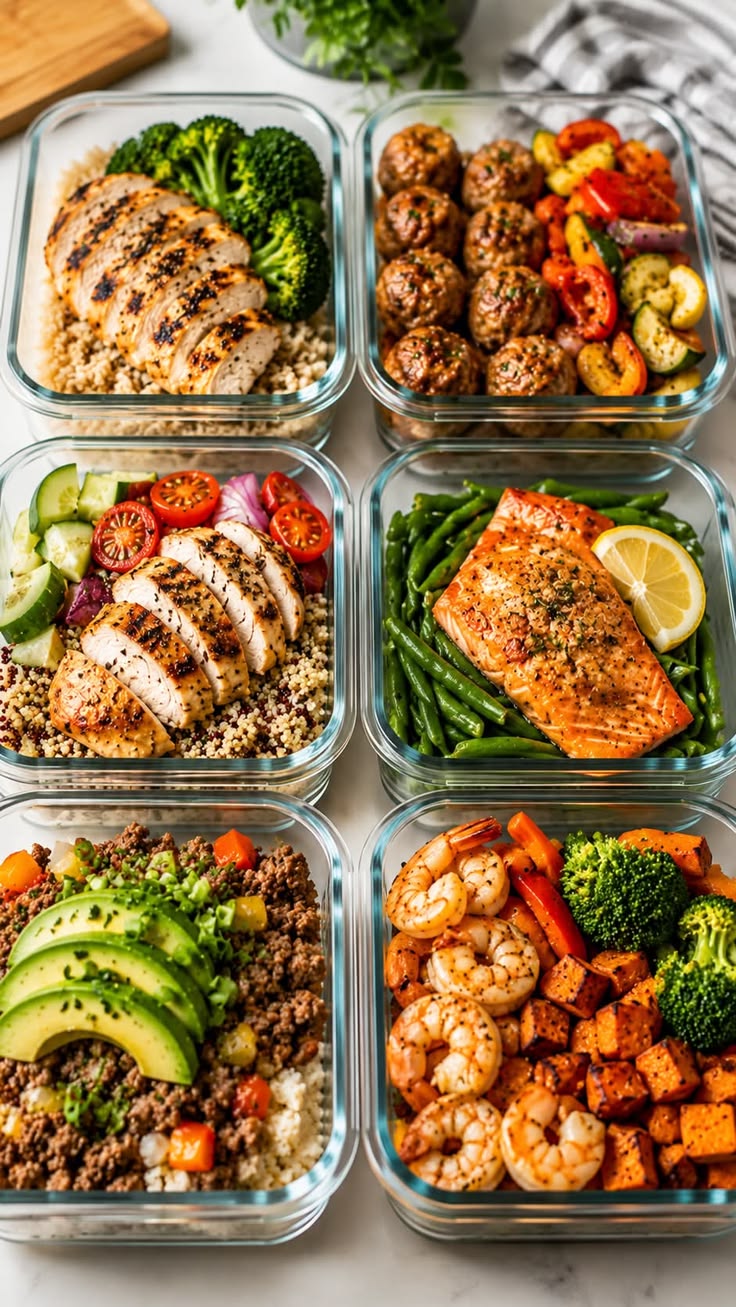
Fish is one of the most nutrient-dense protein sources available. It provides high-quality protein along with vitamins, minerals and, in many varieties, omega-3 fatty acids. But not every fish offers the same nutritional profile, and mercury levels can also vary considerably between species.
For a healthy choice, look for fish that provide plenty of protein and omega-3 fats while being relatively low in mercury.
1. Sardines
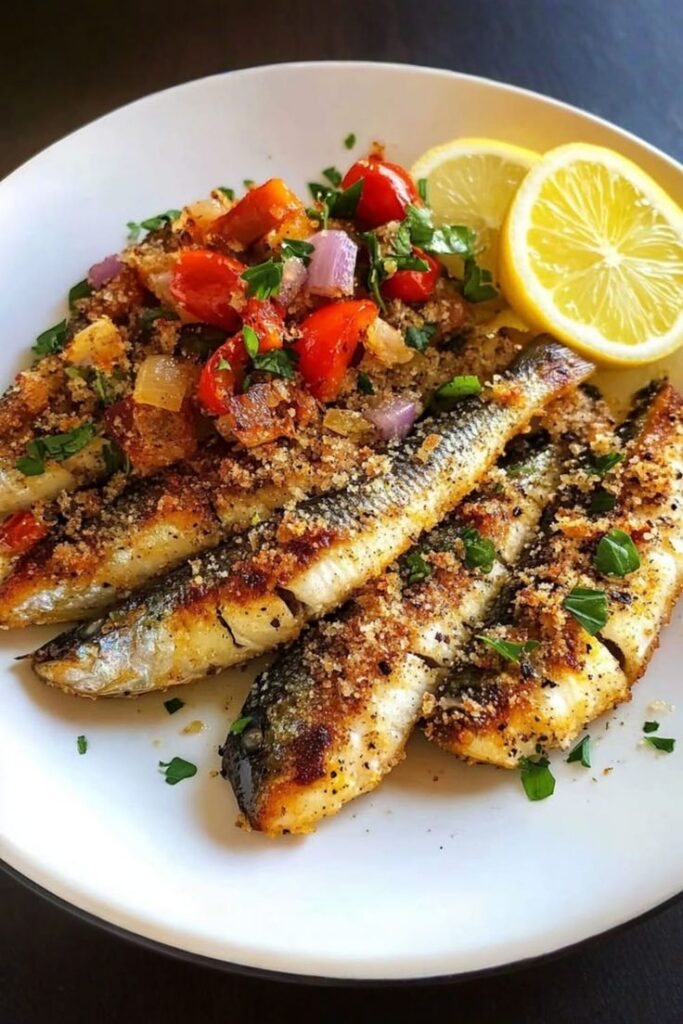
Sardines may be small, but nutritionally they are an excellent choice. They are particularly rich in omega-3 fatty acids and also provide vitamin D and calcium.
Because sardines are relatively small fish, they generally contain low levels of mercury. They can be eaten canned or fresh and work well in salads, grain bowls, pasta dishes or on whole-grain toast.
If you purchase canned sardines, check the nutrition label if you are trying to reduce your sodium intake.
2. Herring
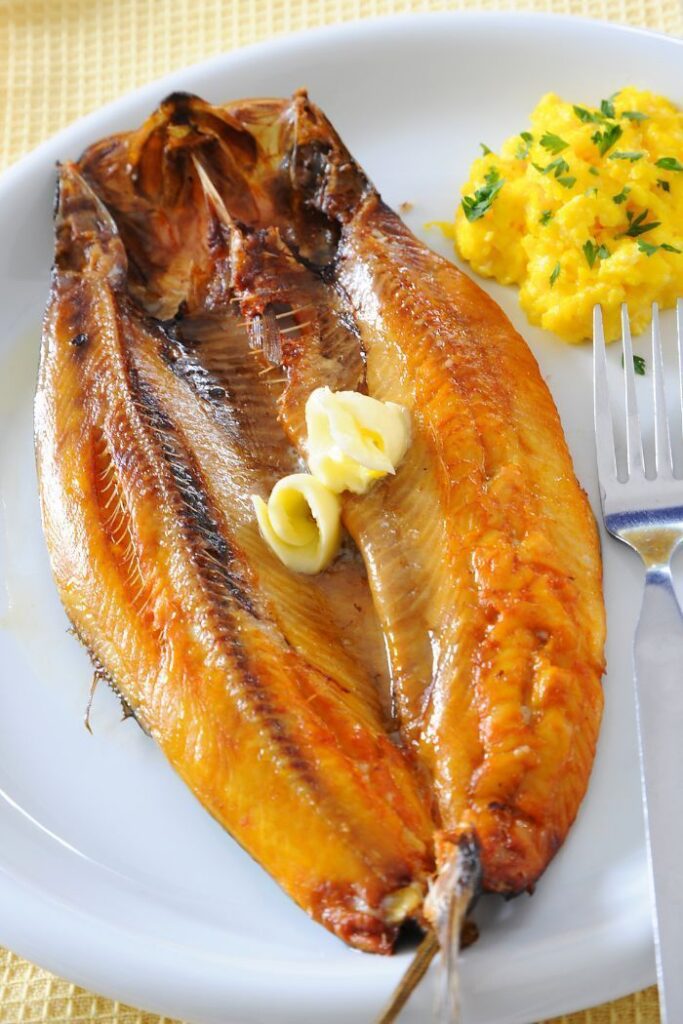
Herring is another oily fish that provides substantial amounts of omega-3 fatty acids. It is also a source of vitamin B12 and vitamin D.
It can be purchased fresh, canned, smoked or pickled. However, preparation matters. Smoked and pickled versions can contain considerably more sodium than fresh fish, so comparing nutrition labels can be useful.
Herring’s relatively high fat content isn’t necessarily a disadvantage. Much of that fat comes from unsaturated fatty acids, including omega-3s.
3. Mackerel
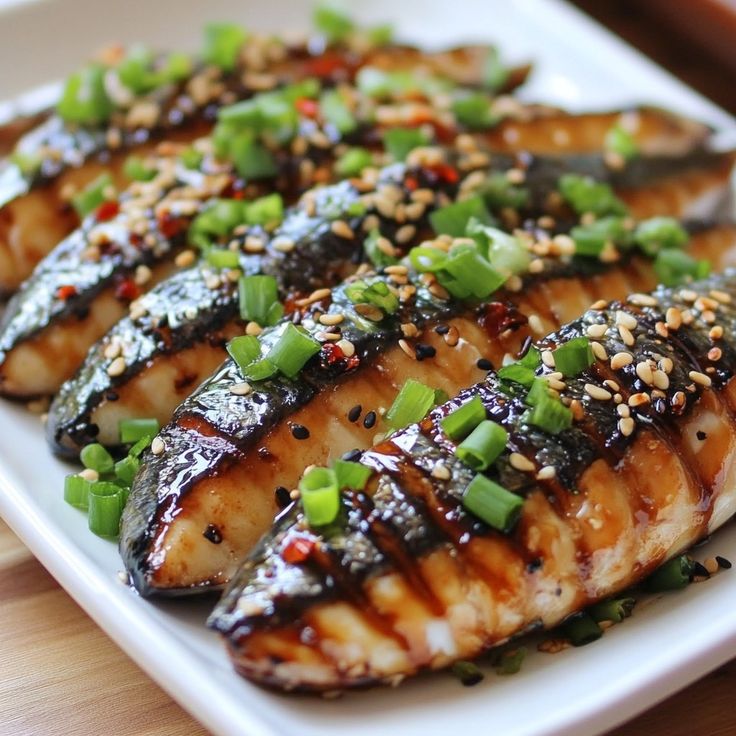
Mackerel is particularly rich in omega-3 fatty acids and protein, but there is an important distinction between different types.
Atlantic and Spanish mackerel are considered lower-mercury choices, whereas king mackerel is classified by the FDA as a fish to avoid because of its high mercury content.
This illustrates why simply choosing a fish by its name isn’t always enough. Species and size can influence mercury exposure.
4. Salmon
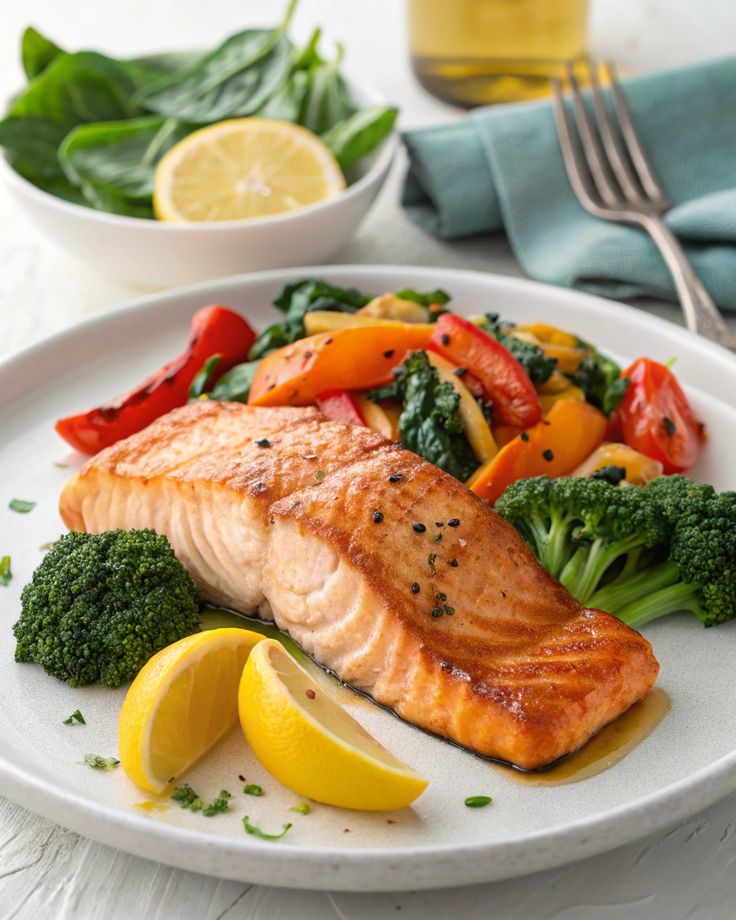
Salmon is one of the most widely recognized sources of dietary omega-3 fatty acids. It also supplies high-quality protein and several vitamins and minerals.
Both wild and farmed salmon can be nutritious choices. Their nutritional profiles differ somewhat, but farmed Atlantic salmon remains a useful source of protein and omega-3 fats.
Salmon can be baked, grilled, poached or pan-seared and pairs easily with vegetables, legumes or whole grains to create a balanced meal.
5. Rainbow Trout
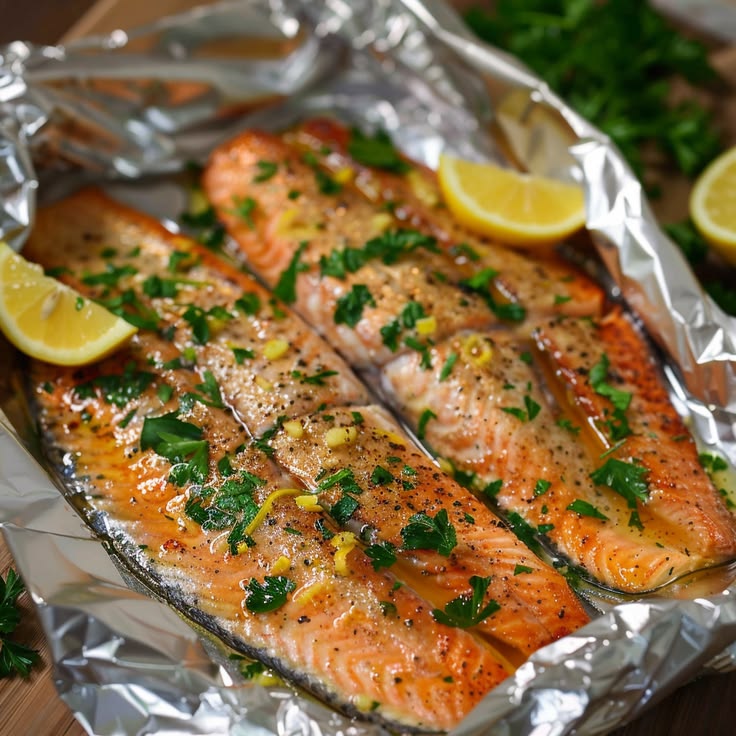
Rainbow trout combines high-quality protein with omega-3 fatty acids and several important micronutrients. It also tends to have a relatively mild flavor, making it an accessible option for people who don’t particularly enjoy strongly flavored fish.
Fresh trout can be baked, grilled or pan-seared and served alongside vegetables or whole grains.
What About Mercury?
Mercury is one of the main reasons fish choices deserve some attention. Larger predatory fish generally accumulate more mercury because they consume other fish and live long enough for mercury to build up in their tissues.
Shark, swordfish, king mackerel, marlin, orange roughy, Gulf of Mexico tilefish and bigeye tuna are among the fish the FDA identifies as having the highest mercury levels.
That doesn’t mean all fish with mercury should be eliminated from the diet. The practical approach is to choose a variety of lower-mercury fish and follow established consumption guidance.
The Bottom Line
There isn’t one single fish that everyone needs to eat. Sardines, herring, Atlantic or Spanish mackerel, salmon and rainbow trout are particularly useful choices because they combine protein and omega-3 fatty acids with relatively low mercury levels.
Variety is important. Rotating different types of fish can provide a broader range of nutrients while reducing repeated exposure to contaminants associated with particular species.
For most adults, regularly including fish as part of a balanced diet is a practical way to obtain high-quality protein and important nutrients. The best choice is usually not simply the fish with the most omega-3s. It is the fish that provides strong nutritional value while fitting safely and realistically into your overall diet.
Related Posts