
A long run can leave you feeling proud, energized, and accomplished. But sometimes the finish line brings a very different feeling: heavy legs, a foggy head, overwhelming tiredness, and the desire to spend the rest of the day on the couch.
Some fatigue after a long run is completely normal. In fact, it is part of the training process. But there is an important difference between the temporary tiredness that comes from challenging your body and the kind of exhaustion that suggests you are asking too much of it.
Understanding that difference can help you train more consistently, recover properly, and reduce the risk of setbacks.
Why Long Runs Can Leave You Exhausted

Long-distance running places stress on several systems at the same time. Every stride creates repetitive impact, while your muscles have to keep producing force for an extended period. This can cause small amounts of muscle damage, which may lead to stiffness, soreness, and that familiar feeling of heavy legs afterward.
Your nervous system also becomes involved. Maintaining running mechanics for a long time requires continuous communication between the brain, nerves, and muscles. As fatigue builds, muscle contractions can become less efficient, making the final miles feel increasingly difficult.
Energy availability is another major factor. During prolonged exercise, your body relies heavily on glycogen—the stored form of carbohydrate found primarily in your muscles and liver. These stores are limited. A long run can significantly reduce them, particularly when the pace is high or the session lasts for several hours.
This is one reason you may feel surprisingly drained after finishing, even if you managed to eat or drink during the run. Fuel consumed while exercising helps provide energy in the moment, but depleted glycogen still needs to be restored afterward.
Hydration matters too. Sweat causes you to lose both water and electrolytes. When fluid losses become significant, blood volume can fall, making it harder for the cardiovascular system to deliver oxygen efficiently. The result can be greater perceived effort, sluggishness, headache, and prolonged fatigue.
When Is Post-Run Fatigue Normal?
Feeling tired after a long run does not automatically mean something is wrong. A well-designed long run is supposed to challenge your body.
Normal post-run fatigue may include tired legs, mild muscle soreness, stiffness, and a general feeling that you need to take it easy for the remainder of the day. You might also notice that an easy workout the following day feels slower than usual.
The key is that this fatigue should gradually improve.
For many runners, recovery from a typical long run takes roughly 24 to 48 hours. People with a well-developed aerobic base may recover more quickly, while especially long or demanding sessions can require several days.
Sleep, nutrition, hydration, training experience, and the intensity of the run all influence how quickly you recover.
The bigger warning sign is when fatigue becomes disproportionate to the workout. If a long run leaves you unable to function normally for the rest of the day, or you remain unusually exhausted for several days, it may be a sign that your current training load is too high.
Persistent fatigue can occur when hard sessions are stacked too closely together, mileage increases too rapidly, or recovery is consistently neglected. Instead of adapting positively, the body can begin accumulating more stress than it can effectively handle.
What to Do If You Feel Drained After Running

Recovery starts as soon as the run ends.
First, replace the fuel and fluids you used during the workout. Carbohydrates help restore glycogen, while protein provides the amino acids needed for muscle repair. A practical post-run meal or snack should therefore contain both.
A useful general target after a demanding long run is around 1–2 grams of carbohydrate per kilogram of body weight, together with at least 30 grams of protein. Fluid replacement is equally important, particularly after a hot or sweaty session.
You do not necessarily need to spend the entire day lying down. Gentle movement can actually make you feel better. An easy walk, light mobility work, or gentle stretching can encourage circulation and reduce the sensation of stiffness.
Some runners also benefit from foam rolling or massage-based recovery techniques. These can be useful for comfort and relaxation, although they should complement—not replace—adequate food, hydration, sleep, and sensible training.
A short nap can also help when fatigue is particularly strong, especially after an early-morning run. Keeping the nap relatively short and avoiding it too late in the day can reduce the chance of disrupting nighttime sleep.
How to Stop Long Runs From Wrecking Your Day
The best way to improve recovery is to address the factors that influence it before you even start running.
Prioritize Sleep

Sleep is one of the foundations of physical recovery. During sleep, the body carries out important processes involved in tissue repair, adaptation, hormonal regulation, and restoration.
Consistently sleeping too little can make a demanding training schedule feel much harder. If you are increasing your mileage, protecting your sleep schedule becomes even more important.
Fuel Your Trainingd
Increasing running volume without increasing nutritional intake can create an energy mismatch.
Carbohydrates are particularly important for longer sessions because they provide readily available fuel and help maintain glycogen stores. Protein supports the repair and remodeling of muscle tissue.
A balanced diet should also provide the vitamins and minerals required for normal physiological function. Nutrients such as iron, vitamin B12, magnesium, potassium, and healthy fats all have roles in energy metabolism, oxygen transport, muscle function, or recovery.
However, supplements are not a substitute for a sufficient diet, and taking individual nutrients—particularly iron—without establishing a deficiency is not a good strategy.
Increase Training Gradually
One of the easiest ways to turn normal fatigue into a recurring problem is to increase training too quickly.
Long runs should fit into the wider structure of your training week. Hard workouts, long runs, and recovery days need to be balanced rather than repeatedly piled on top of one another.
Giving your body time to adapt is what ultimately allows you to handle greater distances. More training is not automatically better if you cannot recover from it.
Remember That Stress Adds Up
Your running workload is only one source of stress.
Work pressure, poor sleep, emotional strain, travel, and other demands can all affect how well you recover. The body responds to the total burden it is experiencing, not just the number of kilometers recorded on your running watch.
That means a long run that feels manageable during a relatively calm week may feel far harder during a stressful one.
Building relaxation into your routine can therefore be part of training. Walking, breathing exercises, mindfulness, yoga, or simply allowing yourself genuine downtime may help reduce the overall stress load.
Keep Track of How You Feel
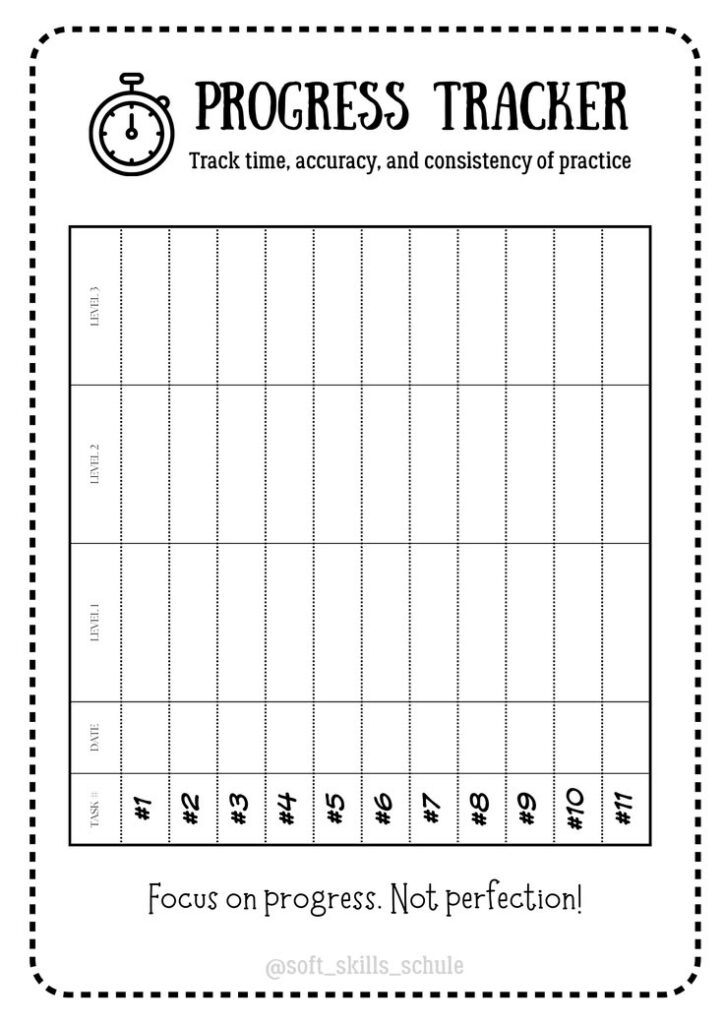
A simple training log can reveal patterns that are easy to miss from one workout to the next.
Record your mileage, how difficult the run felt, sleep quality, food and fluid intake, and how you felt later that day and the following morning.
If you repeatedly notice that a certain distance or intensity leaves you exhausted for several days, that information is valuable. It may mean you need more recovery, a slower pace, better fueling, or a temporary reduction in training volume.
When Fatigue Deserves More Attention
Not every case of post-run exhaustion is simply a training problem.
If unusual fatigue continues despite adequate sleep, food, hydration, and recovery, it may be worth discussing it with a healthcare professional. Persistent tiredness can have many possible causes, including nutritional deficiencies and other medical issues.
Blood tests may sometimes be appropriate when fatigue does not improve. Iron status, ferritin, vitamin B12, and other markers can provide useful information when a deficiency is suspected.
Do not automatically assume that taking a supplement will solve unexplained fatigue. Finding the underlying cause is a better approach.
The Bottom Line
A long run is supposed to challenge you—but it should not consistently destroy your ability to function afterward.
Some tiredness, soreness, and stiffness are normal signs that your body has been asked to work hard. The goal of training, however, is not to become as exhausted as possible. It is to apply enough stress to stimulate adaptation while giving the body enough resources and recovery time to become stronger.
If your fatigue improves with rest, sleep, food, and hydration, it is probably part of the normal recovery process. If you are repeatedly wiped out for days, struggling to complete everyday activities, or becoming increasingly fatigued despite doing everything right, your training plan may need to change—or there may be another cause worth investigating.
The smartest runners are not necessarily the ones who push hardest every time. They are the ones who know when to push, when to recover, and when their body is telling them to pay attention.
Related Posts