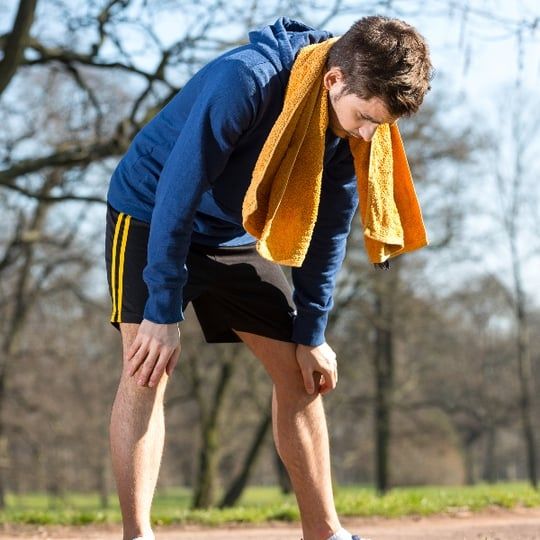
A strong core is about much more than having visible abs. Your core acts as the central support system for your body, helping you control movement, maintain balance and transfer force between your upper and lower body.
Everyday activities such as walking, bending, lifting, reaching and getting up from a chair require your trunk muscles to provide stability. The same principle applies during exercise. Whether you are running, lifting weights or performing bodyweight movements, a stable core allows the rest of your body to move more efficiently.
That is why effective core training should not revolve exclusively around crunches. Exercises that challenge your ability to resist unwanted movement can be particularly useful for developing functional stability.
Here are three exercises that can be incorporated into almost any fitness routine.
1. Dead Bug
The dead bug is a relatively simple exercise, but it can be surprisingly challenging when performed correctly. Instead of repeatedly bending your spine, the movement requires your abdominal muscles to keep your trunk controlled while your arms and legs move.
This makes it useful for developing coordination and the ability to maintain a stable torso during limb movement.
How to Perform It
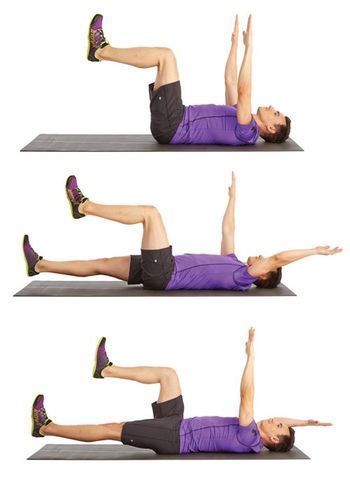
Lie on your back with your arms extended toward the ceiling. Lift your legs so your knees are bent approximately 90 degrees.
Brace your abdomen gently and maintain control of your lower back. Slowly extend one arm overhead while simultaneously extending the opposite leg toward the floor.
Do not allow your back to arch excessively. Return to the starting position and switch sides.
Aim for 8–10 repetitions per side for 2–3 sets.
If the full movement is difficult, start by moving only one limb at a time. As your control improves, progress to moving the opposite arm and leg together.
The goal is not to move quickly. Controlled repetitions are more important than simply completing a larger number of repetitions.
2. Forearm Plank
The plank is one of the simplest ways to challenge the core without requiring equipment. Rather than repeatedly moving the trunk, you must maintain a stable position while your muscles work continuously to prevent unwanted movement.
A properly performed plank involves more than your abdominal muscles. Your shoulders, back, glutes and legs also contribute to maintaining the position.
How to Perform It
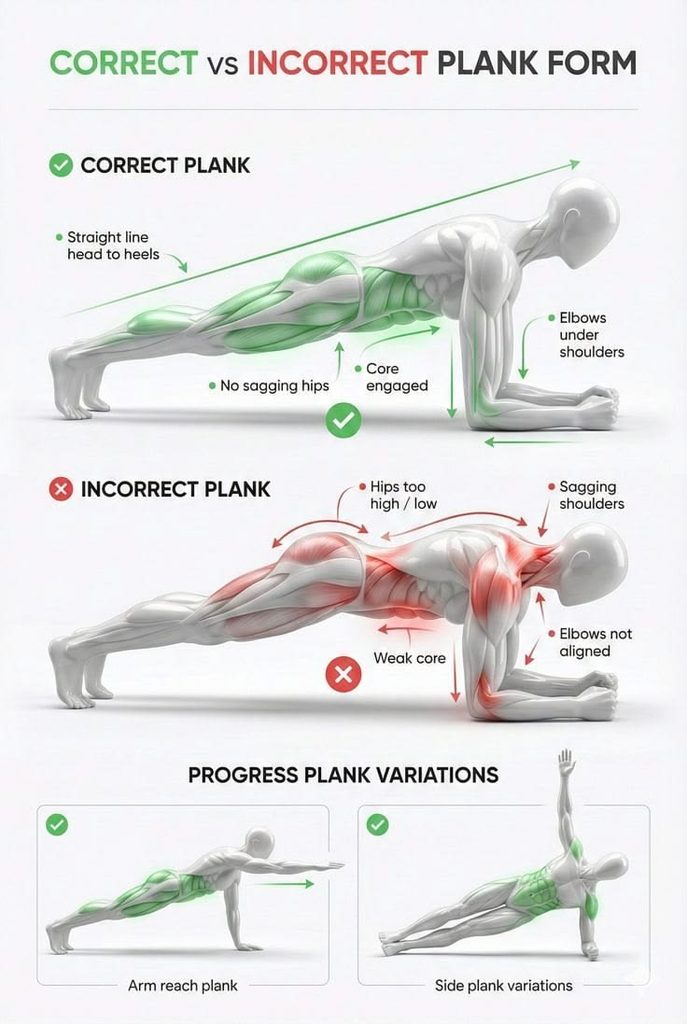
Begin on your knees and place your forearms on the floor with your elbows positioned underneath your shoulders.
Extend your legs behind you and lift your knees, supporting yourself on your forearms and the balls of your feet.
Brace your abdomen and squeeze your glutes. Keep your head and neck in a neutral position and maintain a relatively straight line from your head to your heels.
Avoid allowing your hips to drop toward the floor or pushing them excessively upward.
Start with 20–30 seconds for 2–3 sets and gradually work toward longer holds as your endurance improves.
If a standard plank is too difficult, perform it with your knees on the floor. For a greater challenge, controlled plank variations can be introduced once you can maintain excellent technique.
3. Bird Dog
The bird dog combines core stability with coordination and balance. It requires you to stabilize your trunk while simultaneously moving an arm and the opposite leg.
This makes the exercise particularly relevant to movements that require control while your body is supported on different limbs.
How to Perform It
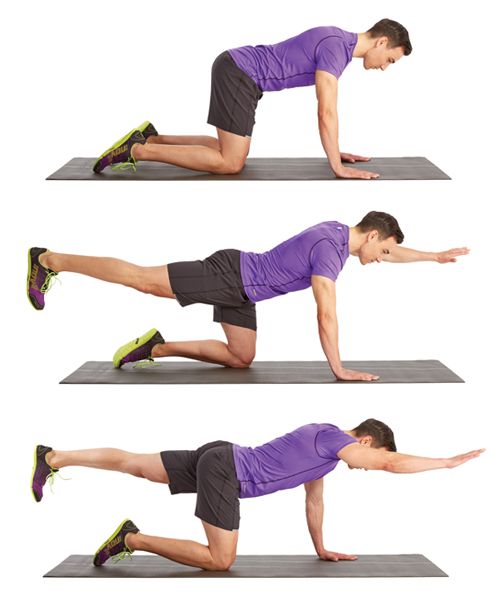
Start on your hands and knees, with your hands beneath your shoulders and your knees underneath your hips.
Keep your spine in a comfortable neutral position and look toward the floor.
Brace your core and slowly extend your right arm forward while extending your left leg backward.
Try to keep your hips level rather than allowing your body to rotate.
Pause briefly at the end of the movement before returning to the starting position. Repeat on the opposite side.
Perform 8–12 repetitions per side for 2–3 sets.
If maintaining balance is difficult, begin by extending only one arm or one leg. Once you develop better control, combine the movements.
Why Core Stability Matters
Core stability is an important part of functional fitness because the trunk provides a foundation from which many other movements occur.
A well-trained core does not simply produce stronger abdominal contractions. It helps coordinate the muscles surrounding the abdomen, pelvis, hips and lower back so that your body can remain controlled while you move.
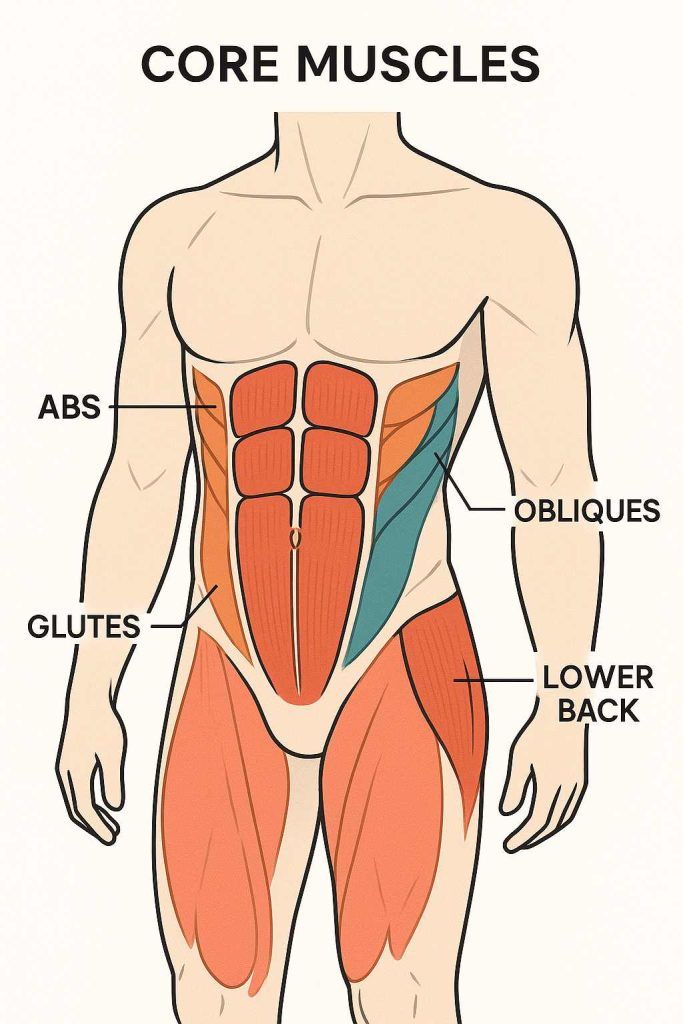
This can be particularly important during exercises such as squats, deadlifts, presses and lunges, where the trunk needs to remain stable while the limbs generate force.
Core stability also contributes to balance and movement control. Training exercises such as the bird dog and dead bug can challenge your ability to maintain your body position while your arms and legs move.
Quality Matters More Than Quantity
Core training does not need to involve hundreds of repetitions or extremely long workouts.
For exercises such as the dead bug, plank and bird dog, technique should take priority over duration or repetition count. Once your form deteriorates, the exercise may no longer provide the intended challenge.
Focus on controlled breathing, a stable trunk and deliberate movement. Gradually increase repetitions, holding time or exercise difficulty as your strength and coordination improve.
If you have an existing back, hip or shoulder injury, recent surgery, or experience sharp pain, numbness or tingling while exercising, seek appropriate medical advice before beginning a new core-training program.
A few carefully selected exercises performed consistently can provide a more useful foundation than endless repetitions performed without control. Building core stability is ultimately about teaching your body to stay strong and controlled while the rest of you moves.
Related Posts